Specialisms
Conveyancing and residential property recruitment
Residential conveyancing is the legal work behind buying, selling and remortgaging homes. It is high in volume and heavy on detail: searches, title, enquiries, lender requirements, anti-money laundering and source of funds checks, exchange, completion, then the tax return and registration afterwards. The Legal Centre recruits permanent staff for residential property teams, from conveyancing assistants to experienced fee earners and team leaders.
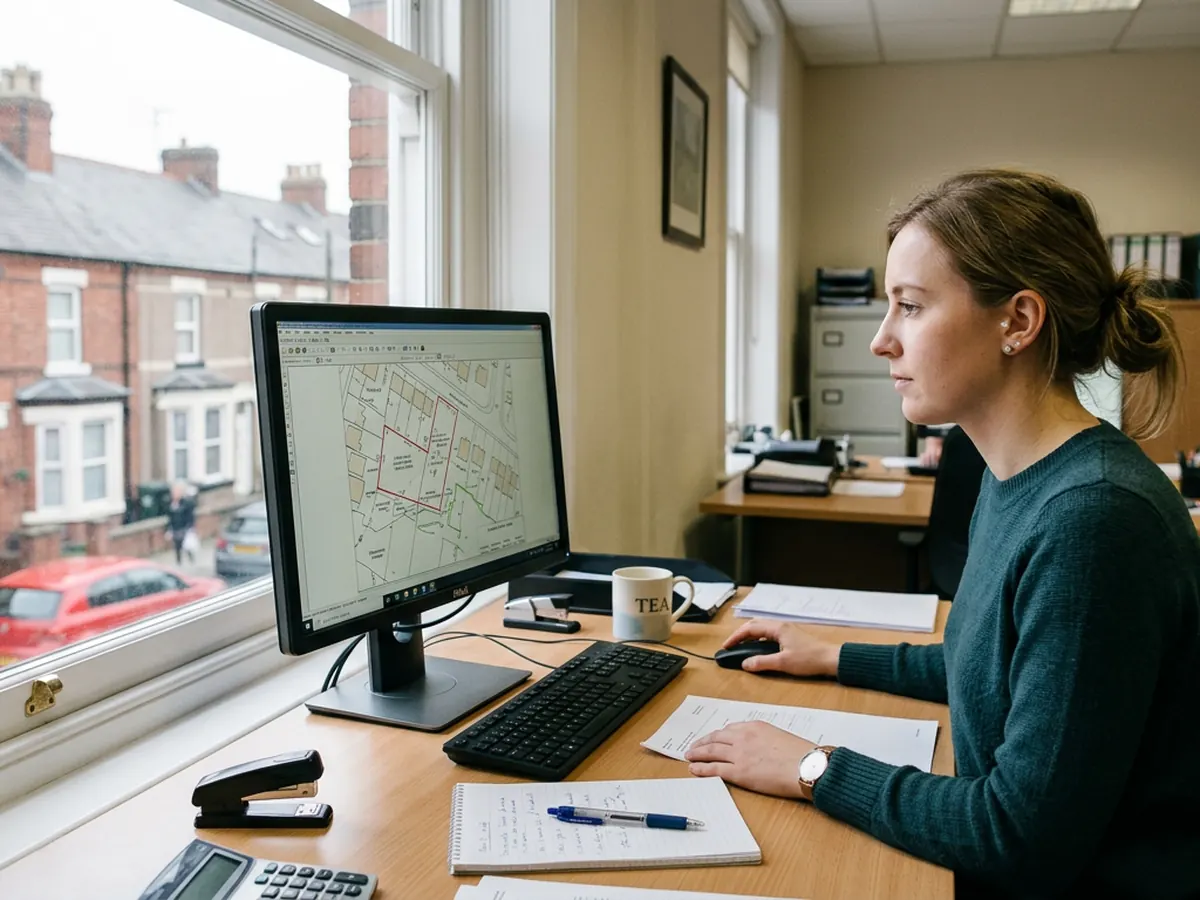
Conveyancing and residential property: for firms and for candidates
For firms
Conveyancing teams are organised in different ways. Some give each fee earner a file from instruction through to post-completion. Others split the work between case handlers, a completions desk and a post-completion team. We recruit for:
- conveyancing solicitors
- licensed conveyancers, who are regulated by the Council for Licensed Conveyancers
- conveyancing fee earners and case handlers working under supervision
- conveyancing assistants and paralegals
- post-completion staff handling SDLT returns and HM Land Registry applications
- legal cashiers, completions staff and team leaders
A good brief covers the transactions the team handles (freehold and leasehold sales and purchases, new build, shared ownership, remortgages, transfers of equity), whether the role is sale side, purchase side or both, the case management system you use, and how much of each file the person will run alone. If your firm holds the Law Society's Conveyancing Quality Scheme accreditation or works to particular lender panel requirements, say so, and we'll read for candidates who have worked to similar standards.
Our AI recruiting assistant reads each CV against the brief and ranks a shortlist, with the reasons for every name on it. You choose who to meet and who to hire. Start with submit a vacancy, or read how job fills work first.
For candidates
Typical roles include conveyancer, conveyancing solicitor, conveyancing assistant, post-completion executive, legal cashier and paralegal roles in property teams.
What we look for in a conveyancing CV:
- the transaction types you handle, with leasehold and new build named separately, since firms ask about both
- whether you run files from start to finish or handle one stage
- the case management systems you've used
- your typical caseload, in your own words, if you're happy to give it
- your qualification, or the one you're working towards: solicitor, licensed conveyancer or chartered legal executive
Put your CV on our register and we'll show you residential property roles that match your caseload. Nothing goes to a firm until you've agreed for that role.
Questions
- Do I need to be qualified to work in conveyancing?
No. Many people start as conveyancing assistants or paralegals and build up to a caseload of their own. Some then qualify as a licensed conveyancer through the CLC route, as a chartered legal executive through CILEX, or as a solicitor through the SQE. Each firm sets the level it needs in its brief.
- Do you recruit for remote conveyancing roles?
Where the firm offers remote working, yes. Each vacancy says whether the role is office-based, hybrid or remote.
- What happens after I apply?
Our AI recruiting assistant reads your CV against the firm's brief. If you're a fit, we ask you before your CV goes anywhere. If you're not put forward, we tell you the main reasons, and you can ask a person at The Legal Centre to look at the decision again. They'll do that within 5 working days.